


Classic Christmas Fruit Cake: Spiced, Soaked, & So Good

Christmas Fruit Cake, a warm hug in a slice! This spiced, soaked cake brings back holiday memories. Get the recipe for a truly festive treat.
Honestly, when I think of Christmas, my mind immediately jumps to the smell of this Christmas Fruit Cake baking. It’s not just a dessert, it’s a whole vibe, you know? I remember my first attempt, a complete disaster, flour everywhere, fruit sinking to the bottom a true kitchen chaos moment! But even then, the promise of that rich, spiced aroma filling the house was enough to keep me going. This recipe, it’s been tweaked and tested over years, through countless holiday seasons, becoming something truly special. It’s the kind of cake that whispers stories of Christmases past, making every bite feel like a warm hug from memory lane. It's truly a labor of love, but oh so worth it.
I still chuckle thinking about the year I decided to double the recipe last minute, thinking "more cake, more joy!" Well, I ended up with two gigantic cakes and only one springform pan. Cue the frantic search for another pan, mid-mixing, with sticky fruit everywhere. My kitchen looked like a fruit cake factory exploded, but hey, the end result? Two glorious, slightly lopsided Christmas Fruit Cakes that tasted incredible. Sometimes, the best memories come from the biggest messes, right?
Ingredients for Christmas Fruit Cake
Main Fruit & Soaking
- Mixed Dried Fruit: This is the heart of this cake! I usually grab a bag of mixed peel, sultanas, raisins, and currants. Don't skip the soaking it makes all the difference for a tender, moist cake. Honestly, I tried once without soaking and it was like eating a brick, never again!
- Brandy or Orange Juice: For soaking. Brandy gives that classic, deep flavor. If you're not into alcohol, good quality orange juice works wonders. I've used both and honestly, the orange juice version is surprisingly bright and lovely, especially for daytime celebrations.
Baking Essentials
- All-Purpose Flour: Just your standard flour, nothing fancy. Sifting it really helps keep things light, a lesson I learned after one too many dense cakes.
- Unsalted Butter: Room temperature, please! This is crucial for creaming properly. I once used butter straight from the fridge and my arm almost fell off trying to cream it. Don't be like me.
- Brown Sugar: The molasses in brown sugar adds a lovely depth of flavor that white sugar just can't replicate for this kind of cake. I always go for dark brown sugar for extra richness.
- Large Eggs: Again, room temperature! It helps them incorporate better into the batter, making for a smoother, more emulsified mix. I didn't expect that the temperature of eggs would matter so much, but it really does.
Flavor Boosters & Spices
- Molasses or Golden Syrup: This is where the deep, caramel notes come from. It's non-negotiable for that classic fruit cake taste. I prefer molasses for a darker, richer cake, but golden syrup gives a lovely golden hue.
- Mixed Spice: My secret weapon! A good quality mixed spice blend (cinnamon, nutmeg, cloves, allspice) is key. If you can't find it, make your own it's so much fresher. I honestly add a little extra cinnamon because I'm obsessed.
- Orange Zest: Brightens everything up and cuts through the richness. Don't skip this! I love how it makes the kitchen smell, totally festive.
Baking Your Christmas Fruit Cake
- Step 1: Get Those Fruits Soaking
- Okay, first things first, you gotta get those dried fruits soaking. Grab all your mixed fruit and pop them into a bowl. Pour over your brandy or orange juice. Give it a good stir, cover it, and let it sit overnight, or for at least 8 hours. Honestly, I usually do this the night before I plan to bake. This is where the magic starts, making sure your cake is juicy and flavorful, not dry and crumbly. I've definitely rushed this step before, and the difference in the final texture was just... sad. Don't make my mistake!
- Step 2: Creaming the Butter and Sugar
- Next up, in a large mixing bowl, cream together your room-temperature butter and brown sugar until it's light and fluffy. This usually takes a good 5-7 minutes with an electric mixer. You want it pale and airy, like little sugary clouds. This step incorporates air into the batter, which is super important for a tender crumb. I always get impatient here, but trust me, it’s worth the extra few minutes. It sets the foundation for the whole cake, so don't skimp on the creaming!
- Step 3: Adding Eggs and Molasses
- Now, beat in your eggs one at a time, making sure each one is fully incorporated before adding the next. Don't rush it, or your batter might look a little curdled, which is no fun. Then, stir in the molasses (or golden syrup) and orange zest. The smell at this point? Oh, it's absolutely divine! You'll start to get those warm, spicy notes filling your kitchen. It really feels like the holidays are just around the corner!
- Step 4: Incorporating Dry Ingredients and Fruit
- Sift your flour and mixed spice together, then gradually fold it into the wet ingredients. Be gentle here, we don't want to overmix and develop too much gluten, which can lead to a tough cake. Once the flour is just combined, fold in your soaked dried fruits. Make sure they’re evenly distributed. This is where I sometimes get a bit messy, fruit bits flying around, but it’s all part of the fun of making a homemade fruit cake!
- Step 5: Baking Time!
- Pour the batter into your prepared 8-inch round cake pan (lined with parchment paper, please!). Smooth the top. Bake in a preheated oven at 300°F (150°C) for about 2 to 2.5 hours, or until a skewer inserted into the center comes out clean. If it starts browning too quickly, you can loosely tent it with foil. My oven runs a little hot, so I always check it a bit earlier than the recipe says. It's a long bake, but the aroma is just incredible!
- Step 6: Feeding Your Cake (Optional but Recommended)
- Once the cake is out of the oven and still warm, poke holes all over the top with a skewer and drizzle with a little more brandy or orange juice. Let it cool completely in the pan before turning it out. This "feeding" keeps the cake moist and enhances the flavor over time. Wrap it tightly in parchment paper, then foil, and store in an airtight container. Honestly, this step makes the cake so much better after a few days or even weeks. The texture should be dense but tender, and the smell? Pure holiday magic.
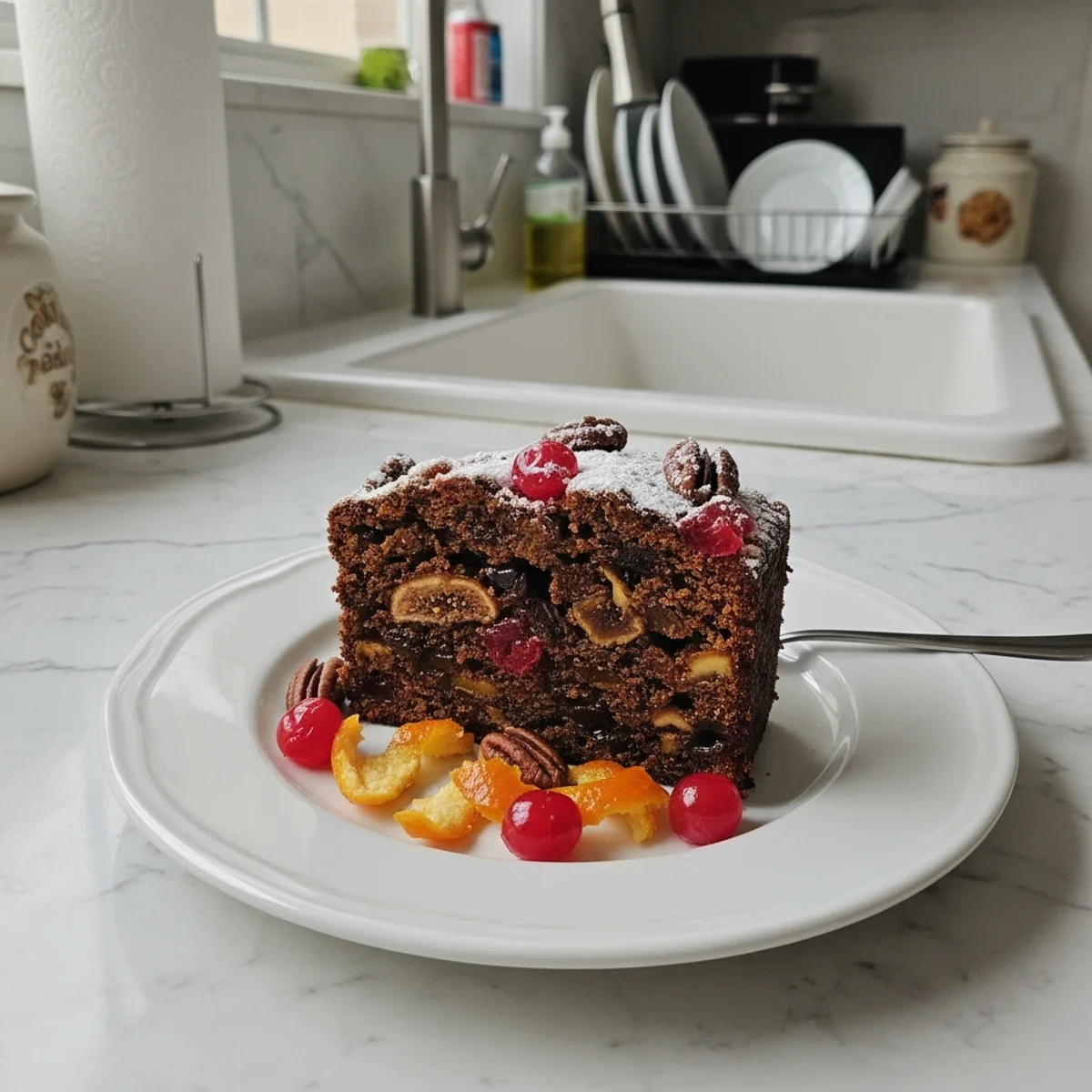
There's something incredibly satisfying about pulling a freshly baked Christmas Fruit Cake from the oven. Even with the inevitable flour on my nose and a few sticky spots on the counter, the sheer warmth and richness that fills the air makes all the effort worthwhile. It's a feeling of accomplishment, a little piece of holiday cheer, baked right into a golden-brown, fruit-studded masterpiece. It just makes my heart happy.
Storing Your Christmas Fruit Cake
Okay, so storing this cake is key to its longevity and flavor development. Once your cake is completely cool, wrap it snugly in parchment paper, then in a layer of foil. I always pop mine into an airtight container or a clean cake tin. If you're "feeding" it with more brandy, do so every few days or once a week. I once just left one on the counter unwrapped, thinking it would be fine for a day or two, and let's just say it became a very dry, sad cake. So don't do that, lol. This cake actually gets better with age, so feel free to make it a few weeks or even a month before Christmas. It holds up beautifully in the fridge for up to 3 months, or you can freeze it for even longer just wrap it extra well!

Christmas Fruit Cake Ingredient Swaps
Life happens, and sometimes you don't have exactly what the recipe calls for. For the dried fruit, feel free to get creative! I've swapped out some of the raisins for dried cranberries or cherries, and it gives a lovely tartness that cuts through the sweetness. I tried adding chopped dried apricots once, and it worked... kinda, the texture was a bit different, but still tasty. If you don't have brandy for soaking, dark rum is a fantastic alternative, giving it a slightly different but equally delicious warmth. For a non-alcoholic version, apple juice or strong black tea can also work in a pinch for soaking, though the flavor profile will be milder. Just remember, a good quality soak is always the goal, no matter the liquid.
Serving Suggestions for Christmas Fruit Cake
This cake is honestly a star on its own, but it plays well with others too! I love a thick slice with a dollop of clotted cream or a scoop of vanilla bean ice cream, the cold creaminess against the rich cake is just heavenly. For a more traditional touch, a thin slice of strong cheddar cheese might sound odd, but it’s a classic pairing that’s surprisingly delicious don't knock it 'til you try it! It’s also fantastic with a hot cup of spiced tea or a glass of mulled wine on a chilly evening. And for a truly festive treat, a little drizzle of warm brandy butter over a slice is pure holiday magic. It's the kind of dessert that makes you want to curl up by the fire with a good book.
The Cultural Backstory of Christmas Fruit Cake
The tradition of Christmas Fruit Cake actually goes way back, with versions appearing in ancient Rome, evolving over centuries into the dense, rich cakes we know today. Originally, these cakes were often made with honey and dried fruit, meant to be preserved for long journeys. Fast forward to medieval Europe, and spices from the East started making their way into the mix, transforming it into a luxurious treat. For me, it’s always been about my grandma’s recipe. She’d start soaking her fruit in October, and the whole house would smell faintly of brandy and spices for weeks. It wasn't just a cake, it was a symbol of the holiday season, of family gatherings and shared warmth. That personal connection makes every bite feel like a piece of history and love.
And there you have it, my take on a classic Christmas Fruit Cake. It’s more than just flour and fruit, it’s a little piece of holiday joy, baked with love and a few happy kitchen mishaps. I hope it brings as much warmth and cheer to your home as it does to mine. Honestly, seeing it all come together, smelling those spices, it just makes my heart swell. Do share your own fruit cake stories with me, I'd love to hear how it turns out for you!

Frequently Asked Questions About Christmas Fruit Cake
- → Why does my fruit cake sink in the middle?
Oh, I've been there! It often happens if the oven door is opened too early, or if your oven temperature is uneven. Also, sometimes overmixing the batter can cause it to collapse. Just try to keep the oven door closed for the first hour and ensure ingredients are at room temp.
- → Can I use different types of dried fruit in this recipe?
Absolutely! I've experimented a lot. While the classic mix is great, feel free to swap in dried cranberries, cherries, or even chopped dates. Just keep the total quantity of fruit about the same. I once used too many dates and it was a bit too sticky, so balance is key!
- → How do I prevent the fruit from sinking to the bottom of my cake?
This is a common one! Lightly dusting your soaked dried fruit with a tablespoon of flour before adding them to the batter really helps. The flour creates a barrier that prevents them from sinking. I learned this trick after many, many sunken fruit cakes!
- → How long can I store this cake?
This cake is a champ for storage! Properly wrapped and stored, it'll last for weeks, even months, in a cool, dark place or the fridge. I've had one last well into January, still delicious. Just remember to "feed" it if you're using brandy!
- → Can I make this recipe gluten-free?
I haven't personally tried a gluten-free version of this specific recipe, but generally, you can swap the all-purpose flour for a good quality gluten-free baking blend. You might need to add a little xanthan gum if your blend doesn't include it, just to help with structure. It’s an experiment I'm planning to try soon!
Classic Christmas Fruit Cake: Spiced, Soaked, & So Good
Christmas Fruit Cake, a warm hug in a slice! This spiced, soaked cake brings back holiday memories. Get the recipe for a truly festive treat.
Ingredients
Main Fruit & Soaking
- 1.5 lbs (680g) mixed dried fruit (sultanas, raisins, currants, mixed peel)
- 1/2 cup (120ml) brandy or orange juice, plus extra for feeding
Baking Essentials
- 1.5 cups (180g) all-purpose flour
- 1 cup (226g) unsalted butter, softened
- 1 cup (200g) dark brown sugar, packed
- 4 large eggs, room temperature
Flavor Boosters & Spices
- 1/4 cup (60ml) molasses or golden syrup
- 2 tsp mixed spice
- 1 tsp ground cinnamon
- 1/2 tsp ground nutmeg
- Zest of 1 large orange
Instructions
-
1Get Those Fruits SoakingOkay, first things first, you gotta get those dried fruits soaking. Grab all your mixed fruit and pop them into a bowl. Pour over your brandy or orange juice. Give it a good stir, cover it, and let it sit overnight, or for at least 8 hours. Honestly, I usually do this the night before I plan to bake. This is where the magic starts, making sure your cake is juicy and flavorful, not dry and crumbly. I've definitely rushed this step before, and the difference in the final texture was just... sad. Don't make my mistake!
-
2Creaming the Butter and SugarNext up, in a large mixing bowl, cream together your room-temperature butter and brown sugar until it's light and fluffy. This usually takes a good 5-7 minutes with an electric mixer. You want it pale and airy, like little sugary clouds. This step incorporates air into the batter, which is super important for a tender crumb. I always get impatient here, but trust me, it’s worth the extra few minutes. It sets the foundation for the whole cake, so don't skimp on the creaming!
-
3Adding Eggs and MolassesNow, beat in your eggs one at a time, making sure each one is fully incorporated before adding the next. Don't rush it, or your batter might look a little curdled, which is no fun. Then, stir in the molasses (or golden syrup) and orange zest. The smell at this point? Oh, it's absolutely divine! You'll start to get those warm, spicy notes filling your kitchen. It really feels like the holidays are just around the corner!
-
4Incorporating Dry Ingredients and FruitSift your flour and mixed spice together, then gradually fold it into the wet ingredients. Be gentle here, we don't want to overmix and develop too much gluten, which can lead to a tough cake. Once the flour is just combined, fold in your soaked dried fruits. Make sure they’re evenly distributed. This is where I sometimes get a bit messy, fruit bits flying around, but it’s all part of the fun of making a homemade fruit cake!
-
5Baking Time!Pour the batter into your prepared 8-inch round cake pan (lined with parchment paper, please!). Smooth the top. Bake in a preheated oven at 300°F (150°C) for about 2 to 2.5 hours, or until a skewer inserted into the center comes out clean. If it starts browning too quickly, you can loosely tent it with foil. My oven runs a little hot, so I always check it a bit earlier than the recipe says. It's a long bake, but the aroma is just incredible!
-
6Feeding Your Cake (Optional but Recommended)Once the cake is out of the oven and still warm, poke holes all over the top with a skewer and drizzle with a little more brandy or orange juice. Let it cool completely in the pan before turning it out. This "feeding" keeps the cake moist and enhances the flavor over time. Wrap it tightly in parchment paper, then foil, and store in an airtight container. Honestly, this step makes the cake so much better after a few days or even weeks. The texture should be dense but tender, and the smell? Pure holiday magic.
Notes
Don't skimp on the fruit soaking time; it’s what keeps your cake beautifully moist.
Wrap the cooled cake snugly in parchment and foil, then store in an airtight container for best longevity.
Dark rum or even strong black tea can substitute for brandy in the soaking liquid if needed.
Serve a slice with a dollop of clotted cream or a thin piece of sharp cheddar cheese for a traditional treat.
Equipment
Please check ingredients for potential allergens and consult a health professional if in doubt.
Nutrition Facts
It is important to consider this information as approximate and not to use it as definitive health advice.
Comments
Leave a Comment